

The Gut-Immune Connection
There’s a reason your gran told you to “feed a cold.” She wasn’t wrong, but perhaps she didn’t know why.
Roughly 70% of your immune system’s cells live in your gut. Not your lungs, not your nose, not the places you actually feel winter first. So when the season turns and the sniffles start doing the rounds at school, the office, and that one friend’s birthday dinner, you’re going to want to take the conversation further than Vitamin C tablets and talk about your gut. Turns out it’s more important than you thought.
Your gut isn’t just digesting your dinner
It’s easy to think of the gut as plumbing – food goes in, nutrients come out, end of story. But your digestive tract is also home to trillions of bacteria, collectively called the gut microbiome, and it does double duty as one of the body’s largest immune organs.
This reality has a fancy name: the gut-immune axis. Researchers studying it have found that the bacteria living in your gut can directly interact with and influence the immune cells stationed there, helping the immune system tell the difference between something harmless (your lunch) and something it should respond to (a virus). A 2023 review in the journal Cells described how probiotic bacteria can stimulate and modulate these intestinal immune cells, contributing to overall immune balance.
In plainer terms: a well-supported gut microbiome doesn’t operate in isolation. It’s in constant conversation with your immune defences, season after season.
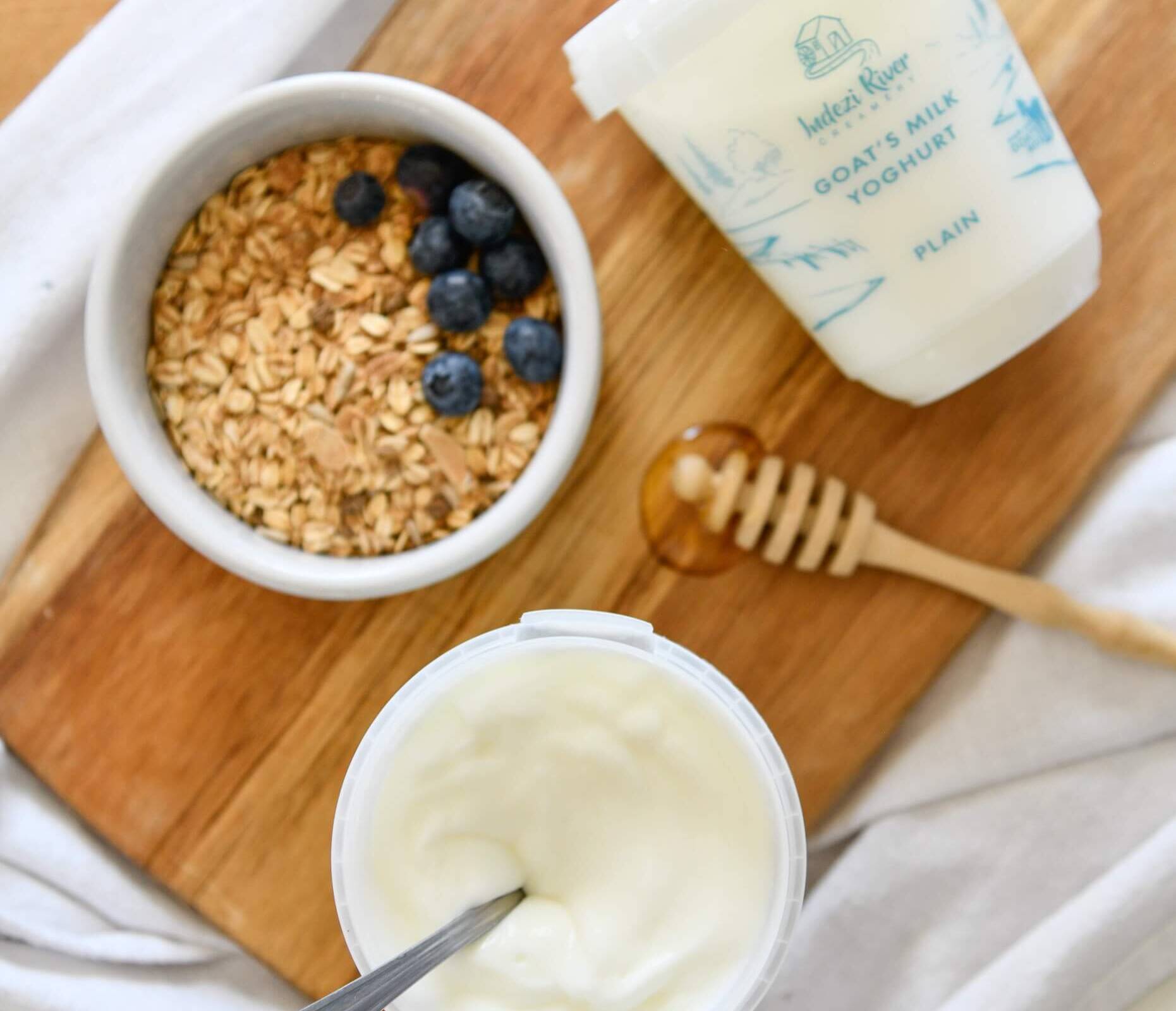

So does that mean probiotics “boost” immunity?
Here’s where we’ll be honest with you, because we’d rather you trust what we say than feel good for five minutes.
No single food “boosts” immunity in the way wellness marketing likes to suggest. Your immune system isn’t a dial you can turn up and down on a daily basis. What the research actually supports is more modest and, frankly, more useful: a diverse, well-fed gut microbiome supports the immune system in doing its job properly. This involves recognising threats, regulating inflammation, and maintaining the gut lining that keeps pathogens from sneaking through in the first place.
It’s the difference between “probiotics will stop you getting sick” (it won’t) and “adding probiotics to your diet is one of the genuinely useful things you can do for your body this winter” (it is).
What actually supports the gut-immune axis
Fermented foods, regularly. Live-culture dairy (yoghurt, kefir, amasi) introduces beneficial bacteria that contribute to microbial diversity, one of the strongest known markers of a well-functioning gut.
Fibre, every day. Beneficial gut bacteria need to eat too, and fibre from vegetables, legumes, and whole grains is what feeds them. A gut without enough fibre is a gut without enough diversity.
Better regulation. Chronic stress, poor sleep, and excessive processed food all work against the gut barrier (the lining that keeps the wrong things out and the right things in).
None of this is exciting advice. All of it is the advice that holds up.
Where this leaves you, practically
You don’t need to overhaul your diet for winter. You need consistency more than intensity. You’re going to try a daily yoghurt rather than an occasional supplement binge, a stew built around lentils and vegetables rather than a single “immune-boosting” smoothie.
Over the next two months on Table Talk, we’re going to get more specific. Next month, we’ll look closely at kefir – what’s actually inside it, and what the research says (and doesn’t say yet) about its role during cold and flu season. After that, we’ll get practical, with the dairy-forward winter meals that make this kind of consistency easy rather than another chore on the list.
For now: feed the gut. The rest of you is more connected to it than you might think.

This article is intended for general nutrition education and isn’t a substitute for medical advice. If you have ongoing health concerns, please speak to a healthcare professional.
Sources referenced
• Mazziotta, C., Tognon, M., Martini, F., Torreggiani, E., & Rotondo, J. C. (2023). Probiotics Mechanism of Action on Immune Cells and Beneficial Effects on Human Health. Cells, 12(1), 184. https://doi.org/10.3390/cells12010184